
A man doing push-ups on a mountain top above the valley

How it works

Five steps. No waiting rooms.

From your first question to ongoing care, every step is led by AHPRA-registered doctors. Here's exactly what happens, and when.

The five steps

From first question to ongoing care.

Care on your terms. Access telehealth from the comfort of home, with no waiting rooms.

  1. A man answering a short health questionnaire on his phone on the train

    Answer a few questions

    Quick survey

    Start with a short health assessment from your phone, followed by a small upfront payment for your initial blood tests.

    • What happens
    • Questions on energy, drive, mood, recovery and body composition
    • An instant indication of whether it is worth looking into
    • Your answers go straight to the clinical team, so you never repeat yourself
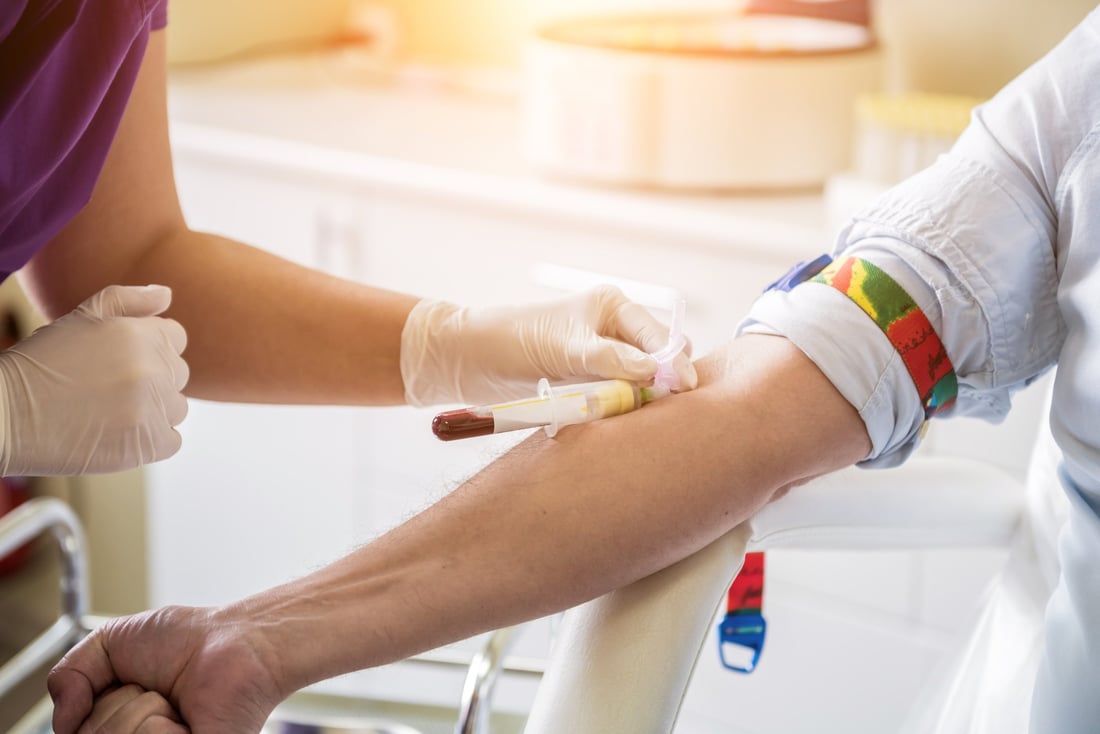
  2. A nurse taking a blood sample from a patient's arm

    Two blood tests

    At a collection centre near you

    A full panel first, then a follow-up. Two results give your doctor a clearer picture than one. We send the referral to your phone and you visit a centre near you, anywhere in Australia.

    • What happens
    • Pathology referral sent to your phone, no GP visit needed
    • A fasted morning draw is recommended for the most accurate readings
    • Results go straight to your doctor, then into your portal
  3. A man on a video call with a doctor on his tablet

    Talk it through with a doctor

    By phone

    Your blood test results, symptoms and health goals are reviewed by an AHPRA-registered doctor, who will guide you through your treatment options.

    • What happens
    • Your doctor reviews your results within 48 hours of the lab releasing them
    • By phone, at a time you book online
    • Your questionnaire and bloods are already in front of your doctor, so the time is spent on you
  4. A man showing his eScript on his phone at a pharmacy counter

    Your plan, if it's right for you

    eScript the same day

    If treatment is clinically appropriate, your doctor will develop a personalised treatment plan and send your eScript directly to your phone.

    • What happens
    • Your doctor explains your treatment plan before you begin.
    • Your eScript is sent via SMS on the day your plan is approved.
    • Ready to commence your treatment plan.
  5. A father kicking a football with his son in a park at sunset

    Care that keeps going

    Ongoing

    Regular reviews and repeat bloods keep your plan moving, with a nurse a message away, so your focus stays on the people who count on you.

    • What happens
    • Follow-up bloods at week 10 to assess your progress.
    • Your plan is adjusted on evidence, not guesswork
    • Repeat bloods every 6 months from there, with every result in your portal

Your blood panel

What we test, and when.

Every decision about your plan is anchored to this panel. Your referrals are arranged for you, and every result lands in your portal.

Blood markers tested at baseline, at week 10 and every 6 months
Marker and why it mattersBaselineWeek 10Every 6 months
Total testosteroneThe main marker. Two low morning readings, taken fasted, support a diagnosis.BaselineWeek 106-monthly
Free testosteroneThe share your body can actually use. It can be low even when the total looks fine.BaselineWeek 106-monthly
SHBGThe protein that decides how much is free. Needed to read the numbers above properly.BaselineWeek 106-monthly
Oestradiol (E2)Some testosterone converts to oestrogen. Watched to keep the balance right on treatment.BaselineWeek 106-monthly
Full blood count, incl. haematocritTreatment can thicken the blood. Haematocrit is the key safety marker we watch.BaselineWeek 106-monthly
PSAA prostate marker, checked before treatment starts and monitored while you stay on it.BaselineWeek 106-monthly
Liver functionConfirmed healthy at the start and rechecked at each ongoing review.BaselineWeek 106-monthly
And more: 45+ biomarkers tested in total.Your panel goes beyond the markers above, giving your doctor the full picture of your health.BaselineWeek 106-monthly

Reference ranges are reported by our Australian pathology partners. Your doctor may add markers based on your history.

Questions

About the process.

Still unsure? Book a free call and ask us directly.

Do I need a GP referral?

No. We arrange your pathology referral, and your doctor consultations are conducted via telehealth.

Why two blood tests?

Levels change day to day. A full panel and a follow-up give your doctor a reliable picture before anything is recommended.

What if my levels come back normal?

If treatment isn't clinically appropriate, we'll explain the outcome and help you explore other options that may support your health and wellbeing.

How do the consultations work?

By phone, at a time you book online. Your doctor has your questionnaire and bloods in front of them, so the time is spent on your results and your plan, not paperwork.

How do I receive my prescription?

If treatment is prescribed, your eScript is sent directly to your phone via SMS, ready to be filled at your preferred pharmacy.

I'm already on treatment elsewhere. Can I switch?

Yes. Share your current script and your latest bloods, and a doctor reviews them before your first consultation. Most people keep their existing plan without interruption. How switching works

A man running along a mountain road

A few minutes to find out.

No obligation. If your levels are normal, we will tell you that too.

Book a free discovery call

Medical assessment

Medical assessment